121 Jericho Turnpike Mineola, NY 11501


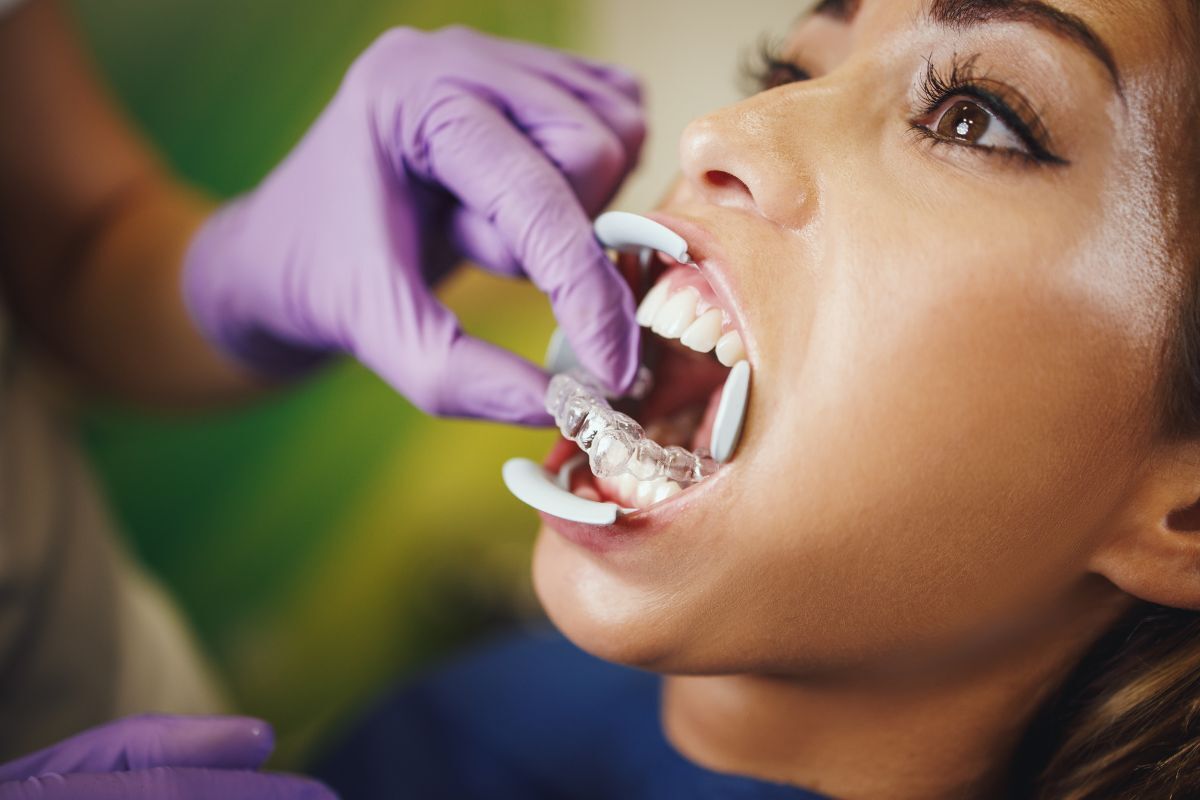
Dark spaces near the gumline can become noticeable when speaking or smiling. Known as black triangles or open gingival embrasures, these gaps can trap food and affect patients’ perception of their appearance.
At PM Dental Care, Dr. Druz helps patients from Mineola and nearby communities, including Garden City, New Hyde Park, East Williston, and Roslyn Heights, understand what may be causing these spaces.
Invisalign may reduce or close certain black triangles, particularly when tooth position contributes to the opening. However, clear aligners cannot replace missing gum tissue. Tooth shape, gum health, bone support, and the position of each tooth’s contact point must be evaluated first.
Patients considering clear aligners may also compare them with braces in Mineola. Both options can reposition teeth, but the appropriate approach depends on the anatomy behind the gap. Neither clear aligners nor conventional braces can predictably rebuild gum tissue that has already been lost.
What Causes Black Triangles Between Teeth?
Gum tissue normally fills the space below the point where neighboring teeth touch. A triangle appears when the interdental papilla does not fill that area.
Common contributing factors include:
- Triangular tooth shape: Teeth that narrow toward the gumline may touch only near their biting edges, leaving space below.
- Crowding or rotation: Overlapping teeth can create poorly positioned contact points. A gap may become noticeable as crowded teeth straighten.
- Gum recession: Periodontal disease, forceful brushing, thin gum tissue, or aging may expose more of the tooth.
- Reduced bone support: The height of the bone between teeth helps support the papilla. Bone loss can make complete tissue fill less likely.
- Tooth size or position: Roots that angle away from one another may leave a wider space near the gums.
Open gingival embrasures can also appear during orthodontic care, especially in adults with anatomical or periodontal risk factors. Planning should therefore consider the gums and supporting bone.
How Can Invisalign Reduce a Black Triangle?
Clear aligners apply controlled pressure to reposition teeth in small increments. When a triangle results from rotation, crowding, root angulation, or an unfavorable contact point, planned movement may bring adjacent tooth surfaces into a more favorable relationship.
Treatment may help by:
- Rotating teeth so their sides face each other correctly
- Adjusting root position to improve the contact area
- Closing unwanted spacing
- Creating a broader contact between neighboring teeth
- Improving alignment so the papilla has a better opportunity to fill the embrasure
A technique called interproximal reduction may also be considered. A measured amount of enamel is removed between selected teeth, creating a broader contact area as the teeth move closer. It must remain within safe enamel limits.
When Are Clear Aligners Alone Not Enough?
Movement has limits; if gum recession or periodontal bone loss caused the opening, moving teeth may improve its appearance but may not eliminate it. Our dedicated cosmetic dentist in Mineola should assess gum health before any cosmetic or orthodontic plan begins.
Additional options may include:
- Tooth-colored composite bonding to reshape triangular teeth
- Porcelain veneers when broader cosmetic changes are appropriate
- Periodontal treatment when inflammation or active gum disease is present
- Gum-focused procedures in carefully selected cases
- A combined plan using tooth movement followed by conservative reshaping
If you visit our dental office, the evaluation may include photographs, digital scans, gum measurements, bite analysis, and indicated imaging. These findings reveal whether tooth position, tooth form, tissue loss, or several factors are involved.
Who May Be a Suitable Candidate?
Invisalign may be considered when the teeth and gums are healthy enough for movement and correctable alignment contributes to the opening. Consistent tray wear is essential.
Before recommending care, the clinician will consider:
- The size and location of each triangle
- Gum inflammation, recession, and bone support
- Tooth shape and enamel thickness
- Crowding, spacing, root position, and bite
- Whether bonding or veneers may produce a more predictable finish
Straightening overlapped teeth can reveal a space that was previously hidden. Early identification allows tooth positions and finishing options to be planned carefully.
Take the Next Step Toward a More Confident Smile in Mineola
Black triangles have different causes, so care should begin with a complete examination. Our team can evaluate your alignment, contact points, gum tissue, and bone support to determine whether Invisalign treatment alone or a combined approach may be most effective. Book an appointment at our dental office to discuss a plan that supports appearance and oral health.
Frequently Asked Questions
Can Invisalign Close a Black Triangle Completely?
Temporary inflammation-related spaces may change as tissue heals, but established openings rarely close on their own. An examination can identify whether movement, reshaping, or gum care may help.
Will Clear Aligners Worsen Black Triangles?
They can reveal a hidden opening as crowded teeth straighten. Planning may include controlled reshaping or adjusted movement to improve the final contact area.
Is Interproximal Reduction Painful?
This conservative enamel reshaping generally needs no anesthetic. Patients may notice pressure or vibration, and the amount removed must be carefully measured.
Can Bonding Cover a Black Triangle?
Composite resin can widen triangular teeth and reduce the visible opening. Suitability depends on the gap, bite, hygiene access, and tooth shape.
Do Black Triangles Mean I Have Gum Disease?
Not always. Tooth shape, crowding, and root position can contribute, but recession or bone loss may also be involved. Bleeding or receding gums warrant assessment.
Are Clear Aligners Better Than Traditional Braces for These Spaces?
Neither method is automatically preferable. The result depends on diagnosis, root movement, gum condition, and finishing procedures. An examination can identify a realistic approach.
