121 Jericho Turnpike Mineola, NY 11501


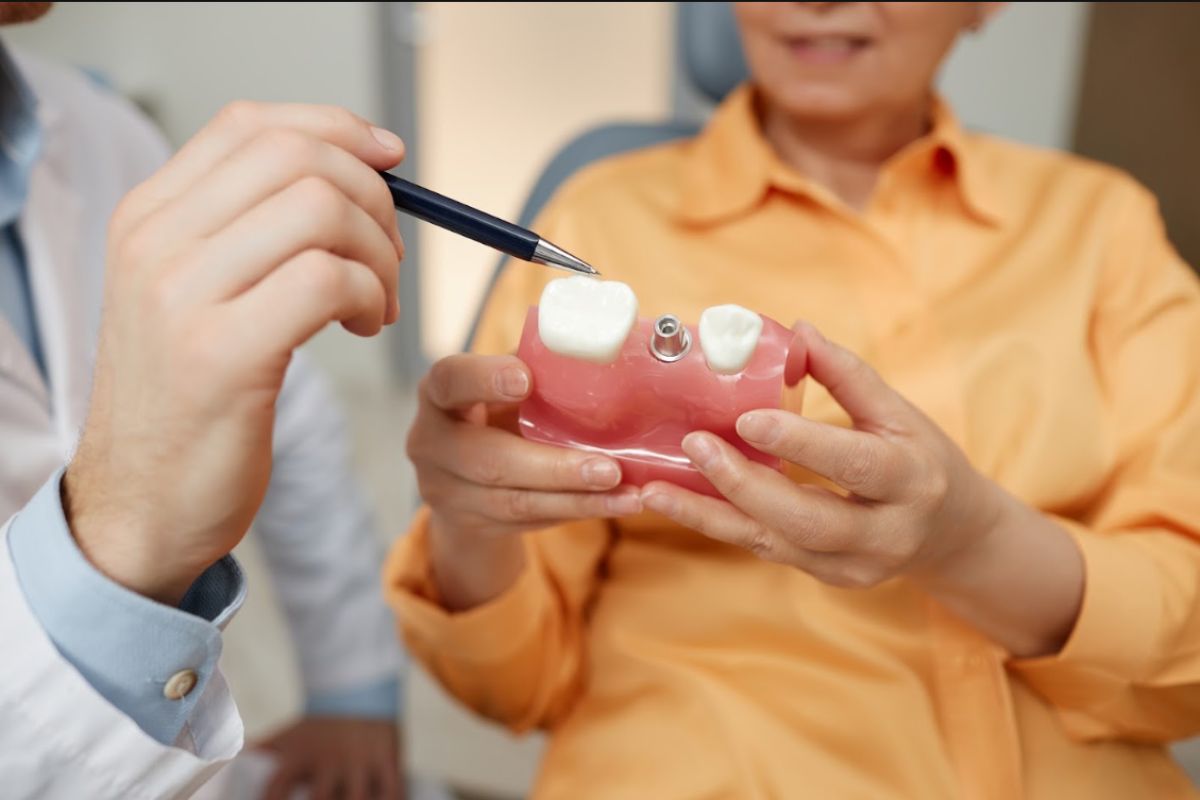
Dental implants are designed to provide a stable, natural-looking solution for missing teeth. With proper cleaning and maintenance, they can remain functional and comfortable for many years. Although implants cannot develop cavities like natural teeth, the surrounding gums and tissues still need consistent care. Good oral hygiene is essential for protecting your investment and supporting a healthy smile.
For patients in Mineola, NY, understanding the right dental implant care routine can help reduce the risk of inflammation, infection, and other complications.
Brush Your Dental Implants Regularly
Brushing twice a day is one of the most important steps in maintaining dental implants. Use a soft-bristled toothbrush and fluoride toothpaste to gently clean the implant crown, nearby teeth, gumline, and other areas of your mouth.
Avoid aggressive brushing because excessive pressure may irritate the gums. Spend enough time cleaning around the implant without scrubbing too forcefully. An electric toothbrush with a gentle setting may also be helpful for some patients.
Floss Carefully Around Your Implants
Food particles and plaque can accumulate around dental implants, particularly near the gumline. Flossing every day helps clean areas that a toothbrush cannot reach.
Use implant-friendly floss or other cleaning tools recommended by your dentist. Carefully guide the floss around the implant without snapping it against the gums. Depending on your implant design, your dentist may also recommend an interdental brush or water flosser.
Keep Your Gumline Healthy
Healthy gums provide important support for dental implants. Bacteria and plaque buildup around an implant can contribute to inflammation and conditions such as peri-implantitis.
Pay particular attention to the gumline when brushing and cleaning. If you notice persistent redness, swelling, tenderness, bleeding, or changes around your implant, schedule a dental evaluation rather than ignoring the symptoms.
Choose Foods That Support Oral Health
Your diet can also influence the health of your implants and surrounding teeth. A balanced diet containing vegetables, fruits, lean proteins, whole grains, and other nutrient-rich foods supports overall oral health.
After implant placement, follow your dentist’s instructions regarding foods to avoid while your mouth heals. Once healing is complete, avoid habits such as chewing ice or biting extremely hard objects, which can damage an implant crown or other dental restorations.
Avoid Smoking and Tobacco Products
Smoking can negatively affect gum health and the healing process around dental implants. Tobacco use may also increase the risk of complications affecting the tissues surrounding an implant.
If you smoke, talk with your dental professional about ways to protect your oral health and reduce tobacco-related risks. Maintaining healthy gums is an important part of long-term implant care.
Schedule Regular Dental Checkups
Daily home care is important, but professional dental visits are equally valuable. Your dentist can examine the implant, surrounding gums, bite, and restoration to identify potential problems early.
Professional cleanings can also remove plaque and hardened deposits that are difficult to eliminate with routine brushing and flossing. Your dentist can recommend an appropriate checkup schedule based on your individual oral health and implant needs.
Follow Your Dentist’s Care Instructions
Every patient’s implant situation is different. The ideal cleaning routine may depend on the number of implants, the type of restoration, gum health, and other factors.
Following personalized instructions after dental implant treatment can help support proper healing and long-term results. If you are unsure which toothbrush, floss, water flosser, or cleaning technique is best for your implant, ask your dental professional for guidance.
